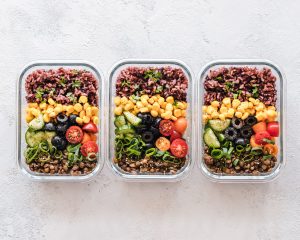
When life gets busy, deciding what to eat every single evening can quickly turn into a source of daily stress. Between work commitments, family responsibilities, and personal routines, it is easy to reach 6 PM with no real plan and end up ordering takeout or throwing together whatever happens to be available. Building a simple, realistic meal planning habit can save time, reduce food waste, and make the week feel much more organized.
You do not need to spend your entire Sunday batch-cooking identical meals for the days ahead. I find that planning works much better when there is still some flexibility built in. A few small changes can make weekly meal preparation much easier without turning it into another job.
Take Inventory Before You Plan
One of the easiest meal planning mistakes to make is starting with a blank sheet of paper and immediately looking for new recipes. Before doing that, check what is already sitting in your kitchen. A quick look through the fridge, pantry, and freezer often gives you the beginning of several meals before you have even written a shopping list.
Ingredients that need to be used soon should come first. Fresh greens, open sauces, dairy products, and leftover vegetables are all good starting points. From there, build around staples you already have, such as rice, pasta, canned beans, bread, or frozen vegetables.
This is probably one of the simplest ways to waste less food. Half a bag of spinach, some leftover rice, and a jar of sauce suddenly become useful when you actually plan around them instead of rediscovering them several days later.
Use Loose Themes Instead of Starting From Scratch
Coming up with five completely different dinners every week creates a surprising number of decisions. A loose theme for certain days can make the process much easier without locking you into the exact same meals.
For example, Monday could be something quick like a grain bowl or salad, Tuesday a sheet-pan dinner, Wednesday a one-pot meal, Thursday a leftovers or freezer night, and Friday something easy such as wraps or homemade flatbreads.
I like this approach because the theme gives you somewhere to start without deciding the entire meal for you. “One-pot Wednesday” might mean soup one week and pasta the next. You still have variety, but you are no longer staring at an empty meal plan wondering what to cook.
Prepare Ingredients, Not Necessarily Entire Meals
Portioning five identical meals into containers works well for some people, but it can also become repetitive. I prefer preparing ingredients that can be used in different ways throughout the week.
Cooking extra rice, quinoa, or another grain can give you a base for several meals. Sturdy vegetables such as carrots, peppers, broccoli, or onions can be washed and chopped ahead of time, while a simple dressing or sauce can make otherwise similar ingredients feel completely different.
This gives you more freedom later in the week. If the ingredients are already prepared, dinner feels much less demanding, but you still get to decide whether you want a bowl, wrap, stir-fry, or side dish instead of eating something you completely planned several days earlier.
Make the Freezer Part of the Plan
The freezer is especially useful when the week does not go according to plan. If I am already making a soup, curry, sauce, or casserole that freezes well, I would much rather make a little extra than cook a completely separate freezer meal.
Smaller portions are usually more practical than one large container because you can defrost exactly what you need. Labeling the container is worth the extra few seconds too. After a month in the freezer, tomato sauce, soup, and curry have a strange habit of all looking exactly the same.
Frozen vegetables, bread, sauces, and other ingredients you use regularly can also make good backups. You do not need a freezer full of carefully prepared meals for it to be useful.
Keep a Few Easy Backup Meals in Mind
No matter how organized your meal plan is, there will be evenings when you get home later than expected, feel tired, or simply do not want the meal you originally planned.
This is why I like having three or four very easy meals that can be made mostly from ingredients that are usually already in the house. Scrambled eggs with vegetables and leftover cheese, a bean and rice bowl, or wraps filled with hummus, tuna, vegetables, or leftovers can all work.
The goal on those nights is not to create an impressive dinner. It is simply to have an option that requires little enough effort that cooking still feels manageable.
Keep the Plan Flexible
The biggest mistake I used to make with meal planning was treating it as a strict timetable. If Tuesday’s dinner moved to Wednesday, it somehow felt like the whole plan had gone wrong.
It works much better to think of the plan as a list of meals available for the week. Some evenings you may want the quickest option first, while another day you might have more time to cook. Ingredients may need using sooner than expected, plans change, and sometimes you simply change your mind. A good meal plan should make the week easier, not give you another set of rules to follow.
Start with a few meals, check what you already have, prepare a couple of useful ingredients in advance, and keep one or two easy backup options available. Once you find a system that fits your routine, meal planning starts to feel much less like a weekly project and much more like a small habit that makes everyday life easier.