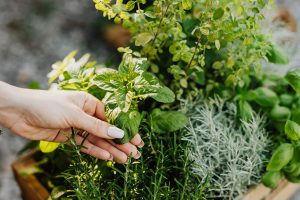
Starting a small herb garden does not require a large yard or a complicated setup. A sunny windowsill, balcony, patio, or small corner of the garden can be enough to grow a few herbs you actually use. The easiest way to begin is to keep the selection small and choose a setup that fits the space you have.
When I first tried growing herbs, I made the mistake of buying too many different plants at once. It looked great for a week, but I had no idea which ones needed more water, which preferred drier soil, or where they should actually sit. Starting with just a few herbs is much easier to manage.
Choose Herbs That Fit Your Space and Cooking
It is tempting to buy whatever looks good at the garden center, but a small herb garden is much more useful when it contains herbs you regularly cook with. Basil, parsley, chives, mint, thyme, rosemary, and oregano are all common choices, although they do not need exactly the same conditions.
Think about the meals you already make and start with two or three herbs you know you will use. Before deciding where they should go, pay attention to the light in that spot for part of the day. A kitchen window can look bright without receiving much direct sun, while a balcony may be sunny for only a few hours. Check the plant label or growing instructions as well, because light preferences can vary between herbs.
I moved my first herb pots around far too often because I had chosen the location based on convenience rather than light. Watching the space first would have saved a lot of guessing.
Get the Pots and Soil Right
Small nursery pots are fine at the beginning, but they may not be suitable forever. If roots are tightly packed or growing through the drainage holes, the plant may need a larger container. Choose pots with drainage holes so excess water has somewhere to go, and use a saucer indoors or on surfaces you want to protect.
For herbs grown in containers, a potting mix intended for pots is usually more practical than ordinary garden soil. Do not pack it down too firmly, and leave a little room below the rim so water does not immediately spill over the sides.
It can be tempting to put several herbs together in one large container, but separate pots are often easier when the plants have different watering habits. Mint is a good example of an herb that is usually easier to manage on its own because it can spread quickly.
Water by Checking the Plant, Not the Calendar
One of the easiest mistakes is watering every herb on the same schedule. A pot can dry quickly during a warm week and much more slowly when the weather is cooler.
Check the soil before adding more water. If the top layer still feels damp, the plant may not need anything yet. The exact routine will depend on the herb, container size, location, and weather, so the plant label is still useful here.
I used to water all my herbs whenever one pot looked dry. That worked until I realized some of the others were still quite damp. Checking each pot separately only takes a few seconds and makes much more sense.
Seeds or Starter Plants?
You can begin with young plants or grow herbs from seed. Starter plants are convenient because you can immediately see the size and shape of the plant, while seeds give you more choice and can be useful if you want to grow several plants.
If you start from seed, follow the packet instructions for planting depth, spacing, and timing. A small label with the herb name and planting date can also save confusion later, especially when several seedlings look similar.
There is nothing wrong with starting with two or three healthy plants from a garden center and trying seeds later. That is often an easier way to learn what works in your particular space.
Harvest Without Taking Too Much at Once
Once the herbs are established and growing well, take small amounts when you need them. Use clean scissors or gently pinch leaves rather than pulling hard on the stems. How and where to cut can vary between herbs, so check the care instructions if you are unsure.
Harvesting is also a good moment to look over the plant. You may notice a pot drying out, leaves that need removing, or roots beginning to crowd the container.
Try not to pack too many plants into a small area either. A windowsill with a few pots that are easy to reach and care for is more practical than squeezing in as many herbs as possible. You can always add another plant later.
Let the Garden Change as You Learn
Even with good instructions, there is always some trial and error. A balcony may be windier than expected, a windowsill can become much hotter in summer, or one herb may simply do better than another in the same home.
You do not need to redesign the whole setup when something is not working. Move one pot, adjust how often you check the soil, or replace an herb you rarely use. My own setup became much easier once I stopped trying to make every plant follow the same routine.
A small herb garden really only needs a few basics: herbs you actually use, suitable light, containers with drainage, the right potting mix, and regular attention. Starting with a handful of plants and learning from them is usually much easier than trying to build a full kitchen garden all at once.