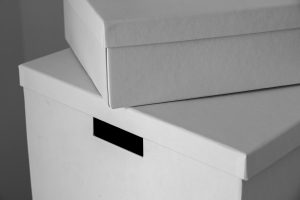
Living in a small home often means being more selective about how you use the space you already have. Before adding another cabinet or buying a stack of storage boxes, it is worth checking whether shelves, cupboards, doors, walls, and the space under furniture could be working a little harder.
I used to think a lack of storage automatically meant I needed another piece of furniture. In practice, that often made the room feel smaller without solving much. What helped more was looking for specific wasted spaces and finding a simple solution for each one.
Measure Before You Buy Anything
This is probably the least exciting tip, but it has saved me from buying the wrong storage more than once. Measure the width, height, and depth of the space before ordering boxes, shelves, or organizers, and check whether doors and drawers still have enough room to open.
I keep measurements in the notes on my phone when I am looking for something specific. Rectangular containers usually make better use of narrow shelves than round baskets, while clear containers are useful when you want to see what is inside without pulling everything out.
Make Better Use of Cabinets
Take a look inside your kitchen and bathroom cabinets. If there is a large empty gap above shorter items, a shelf riser can create a second level for mugs, bowls, pantry items, toiletries, or cleaning products. Under-shelf baskets can also be useful when there is space below a shelf that would otherwise stay empty.
Deep cupboards have a different problem: things tend to disappear at the back. Pull-out baskets, stackable drawers, or simple bins can make them much easier to use. Instead of lining up ten different items on one shelf, group similar things together so you can pull out the whole category at once. A small rotating tray can also work well for bottles and jars in a deep corner cabinet.
I added a shelf riser to one kitchen cupboard and it made the whole space easier to use straight away. I no longer had to stack mugs on top of each other or move half the shelf to reach something at the back.
Use the Space Under Furniture Properly
The space under a bed can be useful for things you do not need every day, but it can quickly become a dumping ground. Low boxes with lids work well for spare bedding, seasonal clothing, shoes, or extra towels.
If there is only a small gap underneath, suitable bed risers can sometimes create enough extra height for storage containers. Vacuum storage bags can also be useful for bulky blankets or seasonal clothing, as long as everything is completely dry before it is packed away and delicate fabrics are stored according to their care instructions.
I try to keep each box to one category. The moment random things start getting mixed together, it becomes much easier to forget what is actually stored there.
Find Storage in Places You Already Have
The back of a door, the inside of a cupboard, or the side of a wardrobe can sometimes provide useful storage without taking up more floor space. Over-the-door organizers can hold shoes, scarves, accessories, or small household items, while a few hooks inside a cupboard can be useful for reusable bags, cloths, or lightweight tools.
Before adding anything to a door, check that it can still open and close without catching on the organizer. The same idea applies to drawers. Sometimes you do not need more drawer space at all, just a better way to divide what is already there.
Simple dividers can keep socks, office supplies, kitchen utensils, makeup, or small accessories from becoming one mixed pile. Adjustable dividers are particularly useful when you do not want to buy something made for one exact drawer size.
Give the Best Storage Spots to the Things You Use Most
Not every shelf is equally convenient. Everyday items should usually get the easiest-to-reach places, while luggage, spare bedding, seasonal decorations, and other things you use less often can go higher up or farther back.
The top of wardrobes, tall cabinets, and bookcases can work well for lightweight items you only need occasionally. Boxes or baskets can keep the area looking tidier, but avoid putting anything heavy somewhere that would be awkward to lift down.
Seasonal rotation can free up even more useful space. Winter coats and thick blankets do not need prime storage in summer, just as beach items and fans do not need to sit at the front of a cupboard in winter. I used to put things wherever there happened to be an empty shelf, but that meant constantly reaching past items I hardly used.
Choose Furniture That Solves More Than One Problem
If you are already replacing furniture, a piece with built-in storage can be worth considering. A bench with space underneath, an ottoman that opens, or a bed with drawers can add storage without requiring another separate cabinet.
That does not mean every piece of furniture needs a hidden compartment. In a small room, bulky furniture can create a new problem if it makes the space harder to move through. It only makes sense when the item solves a storage problem you actually have.
Keep Temporary Clutter Contained
Some things simply do not get put away immediately. Mail, returns, items that belong in another room, or things you still need to sort can easily spread across tables and counters.
A small basket can work as a temporary holding place. I started doing this instead of leaving random things on the dining table, but I deliberately keep the basket small. Once it is full, that is usually a sign that it is time to deal with what is inside.
It is also worth leaving a little room in cupboards and drawers instead of filling every space completely. I learned this after organizing a few cabinets so tightly that taking out one item meant moving several others first. They looked neat at first, but they were annoying to use.
Solve One Storage Problem at a Time
You do not need to reorganize the whole house in one weekend. Start with the area that annoys you most, whether that is a deep kitchen cupboard, the pile of bags near the front door, or unused space under the bed.
Measure the space, choose one practical solution, and see whether it actually works before moving on to the next problem. That approach worked much better for me than buying a pile of organizers first and figuring out where to use them afterward.