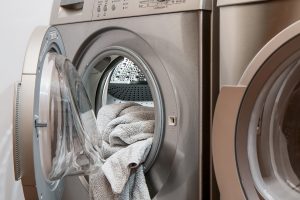
Over time, washing machines can collect detergent residue, limescale, lint, hair, and moisture inside the drum, rubber seal, detergent drawer, and filter. Even though the machine is constantly filled with water and detergent, that does not mean the inside stays clean automatically.
A routine clean every so often can help keep the machine smelling fresh and prevent residue from building up in the areas you rarely see. I find that the easiest approach is to clean each part separately rather than trying to fix everything with one hot wash.
How often you need to do this depends on how frequently you use the machine, the type of detergent you use, and the hardness of your water. For many households, checking the machine every month or two is a practical starting point.
Before you begin, check the care and maintenance instructions for your specific washing machine, especially before using any cleaning product or removing the filter.
Clean the Detergent Drawer
The detergent drawer is one of the first places where buildup becomes noticeable. Liquid detergent and fabric softener can leave a sticky film behind, particularly in corners and narrow channels. Most drawers can be removed by pressing a small release tab and gently pulling the drawer forward. Once removed, rinse it with warm water and use a soft brush or an old toothbrush to loosen dried residue.
I usually clean the empty compartment inside the machine at the same time. A damp microfiber cloth works well for wiping around the edges and any areas you can safely reach. Let the drawer dry before putting it back into place.
Check the Rubber Door Seal
If you have a front-loading washing machine, the rubber seal around the door deserves a little extra attention. Moisture, lint, hair, and occasionally small objects can collect inside the folds without being immediately visible.
Gently pull the seal back and check all the way around. Remove any loose debris first, then wipe the rubber with a soft cloth and warm water with a small amount of mild dish soap. I find this area particularly easy to forget because the front of the seal can look perfectly clean while the folds behind it are still damp.
Dry the rubber afterward, paying attention to the lower part of the seal where water often settles. Leaving the washing machine door slightly open for a while after a cycle can also help the interior dry out between washes, provided it is safe to do so in your household.
Run the Machine’s Cleaning Cycle
Once the visible areas are clean, you can turn your attention to the drum. Many newer washing machines have a dedicated cycle labeled something like Drum Clean, Tub Clean, or Machine Clean. If yours does, this is usually the best option to use.
Run the cycle with the drum empty and follow the manufacturer’s instructions regarding temperature and cleaning products. Some machines recommend a dedicated washing machine cleaner, while others have specific guidance about what should or should not be added.
I would avoid automatically adding vinegar, bleach, washing soda, or other household products unless the manufacturer specifically says they are suitable for your machine. Different seals, hoses, and internal components may have different care requirements. If your machine does not have a dedicated cleaning program, check the manual for the recommended maintenance cycle.
Clean the Drain Pump Filter
Many front-loading washing machines have a drain pump filter behind a small panel near the bottom of the machine. This catches lint, threads, coins, and other small objects before they reach the pump.
Before opening it, place an old towel and a shallow tray underneath because some water may come out. Open the access panel and follow your machine’s instructions for draining any remaining water before removing the filter.
Unscrew the filter slowly, remove any visible debris, and rinse it under running water. While it is out, check the opening for anything that can be safely removed by hand.
This is probably the messiest part of the job, but it is also one of the most satisfying. You would be surprised how much can collect there without affecting the machine noticeably at first. Reinstall the filter securely before using the washing machine again.
Wipe Down the Door and Exterior
Once the inside is taken care of, give the exterior a quick clean too. Wipe the door, control panel, handle, and top of the machine with a slightly damp microfiber cloth. Avoid spraying cleaner directly onto electronic controls. Instead, apply a small amount to the cloth first if needed. This only takes a minute or two, but it makes the entire machine look noticeably cleaner once the rest of the job is finished.
Keep the Washing Machine Fresher Between Cleans
A few small habits can make the next deep clean much easier. Try not to leave wet laundry sitting inside the drum for long periods, wipe away visible moisture from the seal when needed, and allow the drum and detergent drawer to dry between washes when practical.
It also helps to avoid using more detergent than recommended. More detergent does not necessarily mean cleaner clothes, and excess product can contribute to residue inside the machine.
For me, the simplest routine is to check the drawer and rubber seal whenever they start looking less fresh, then give the whole machine a more thorough clean every month or two. It takes far less time when you keep on top of the small areas instead of waiting until there is a noticeable smell or heavy buildup.